

Marble has been used in architecture for centuries, yet its appeal remains remarkably relevant to contemporary interiors. Its natural veining, colour variation, and refined surface make it suitable for spaces ranging from residential foyers to luxury commercial interiors.
For homeowners, architects, and interior designers in New Delhi, understanding where different marbles work best can make material selection considerably easier.
Flooring and Large Interior Areas
Marble flooring can create a visually continuous surface, particularly in living rooms, entrance halls, hotel spaces, offices, and premium residential interiors.
Light-toned marble can contribute to a spacious appearance, while darker or strongly veined varieties can introduce greater visual depth.
Before choosing marble flooring, consider:
- Room dimensions
- Natural and artificial lighting
- Furniture colours
- Expected foot traffic
- Desired finish
- Maintenance requirements
The objective is not simply to choose the most decorative slab but to find a stone that works with the complete interior scheme.
Feature Walls and Decorative Areas
Marble can become an architectural focal point when used selectively.
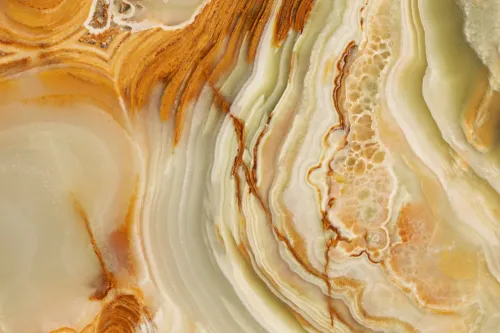
A naturally patterned slab can work well behind a reception counter, television unit, vanity, staircase wall, or other feature area. Stones with distinctive veining are especially suitable where the material itself is intended to become part of the design.
Book-matched arrangements may also be explored where slabs have compatible vein patterns.
Bathroom Applications
Marble is frequently considered for vanity counters, walls, and other bathroom surfaces. Here, correct stone selection, finishing, sealing, installation, and ongoing care become important because the environment is regularly exposed to moisture and personal-care products.
Staircases
Stone staircases need to combine design continuity with practical detailing. The colour and pattern should complement adjacent flooring, while edge treatment and surface finish should suit the intended application.
Decorative Furniture and Counters
Marble is no longer limited to floors and walls. Designers increasingly use it for console tops, tables, counters, shelves, and other custom elements.
In Delhi's varied residential and commercial architecture, this versatility allows marble to work across traditional, transitional, and contemporary spaces.
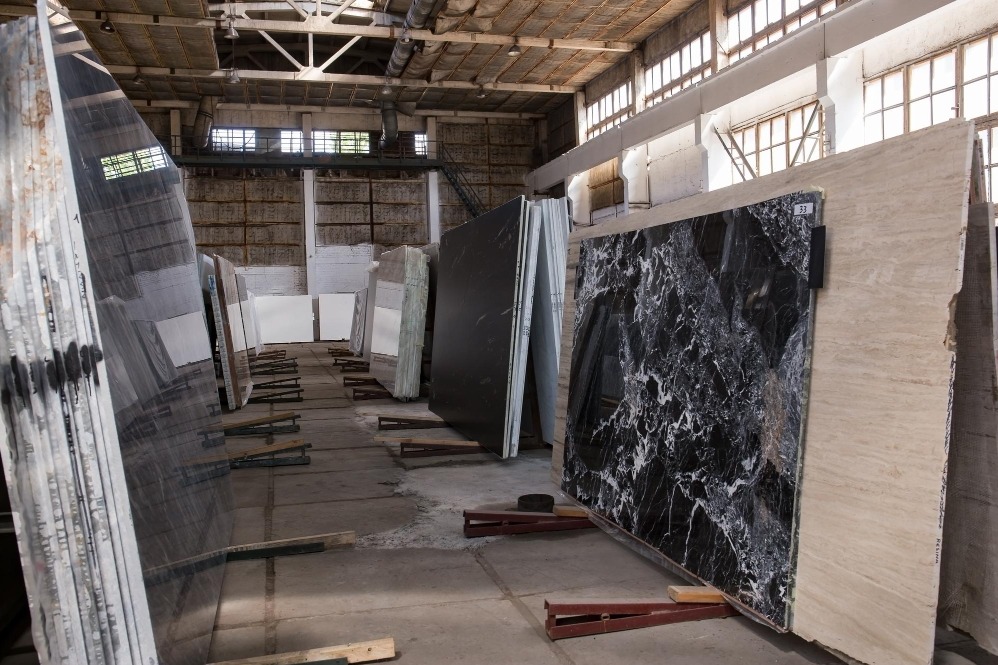
When evaluating materials, visiting a specialist stone provider such as Jaishree Stones allows buyers to understand actual colour, veining, slab dimensions, and available finishes rather than making decisions solely from photographs.
Marble should ultimately be selected as part of the complete design rather than as an isolated surface. When colour, veining, application, lighting, and surrounding materials are considered together, natural marble can contribute considerable character to an interior.