Choosing a stone by colour alone can produce etching, staining, slippery floors, façade failures, or an installation that overruns the programme. By the end, you will be able to compare the main stone families, match them to locations and finishes, approve a representative sample, specify the installation, and decide when another material is the better choice.
Key takeaways
- Treat marble and quartzite as specific stones, not performance guarantees.
- Test the selected slab for porosity, hardness and exposure suitability.
- Approve the actual slab lot before finalising the design.
- Specify dimensions, fixings and installation details before fabrication begins.
How Marble, Granite, Quartzite, Limestone, Sandstone and Onyx Perform
Appearance alone is not enough: match the stone’s mineral behavior to the exposure. “Quartzite” and “marble” are geological descriptions, not performance guarantees; confirm the quarry, slab lot, petrographic description and test data. For a limestone hardness and porosity comparison, test the selected stone rather than relying on its trade name.
| Stone | Appearance | Hardness, porosity and risks | Best exposure and uses |
|---|---|---|---|
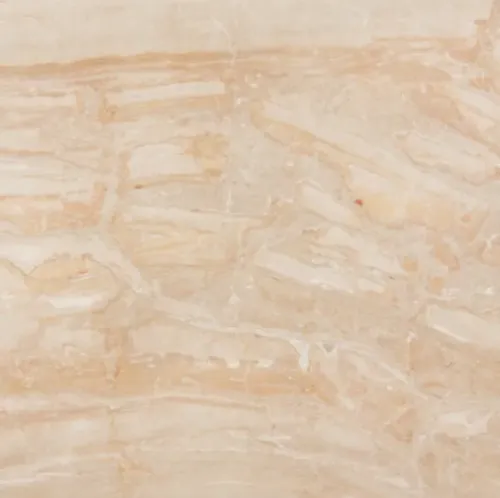
| Marble | Veining, soft colour, high polish | Calcite can etch from lemon, vinegar and acidic cleaners; porosity varies | Walls, vanities, fireplaces and low-abrasion floors |
| Granite | Speckled or patterned, broad colour range | Hard and comparatively stain-resistant, but some varieties absorb water | Kitchens, stairs, busy floors, façades and exterior paving |
| Quartzite | Quartz-rich, crystalline veining | Natural quartzite usually exceeds marble in hardness; “soft quartzite” needs petrographic verification | Kitchen counters, floors, façades and demanding interiors |
| Limestone | Calm, matte, often fossil-rich | Softer, porous and acid-sensitive; bedding planes can weaken it | Interior walls, low-traffic floors and tested exterior cladding |
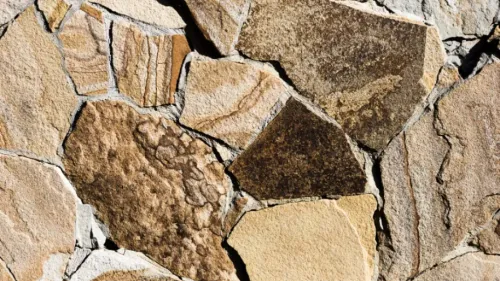
| Sandstone | Rustic grains and warm earthy tones | Bedding, open pores, clay and iron can cause absorption, flaking or colour change | Paving, landscapes and façades only after durability testing |
| Onyx | Translucent bands and dramatic colour | Softer, fragile and prone to scratching or staining | Backlit feature walls, bars and protected interior surfaces |
Honing reduces glare and hides etching; flamed, brushed or sandblasted finishes improve grip but increase cleaning effort. Exterior panels need engineered fixings, movement allowance and wind, moisture and temperature design under ASTM C1242—not interior-tile assumptions.
Match the Stone and Finish to Each Architectural Application
Choose the application before the colour: water, traffic, grease, sunlight and structural loading demand different stone and finishes.
| Application | Recommended stone and finish | Alternative material | Decision point |
|---|---|---|---|
| Flooring | Granite or quartzite, honed or leathered; use flamed or sandblasted surfaces outdoors | Porcelain tile | Confirm slip resistance for the intended wet use; ANSI A326.3 provides a recognised testing framework. |
| Walls | Marble, limestone or onyx, polished for drama or honed for softer reflection | Large-format porcelain | Use a honed or brushed finish where glare and fingerprints matter; reserve onyx for protected feature walls. |
| Kitchen counters | Granite or quartzite, polished or leathered | Sintered stone or porcelain slab | Choose quartzite or granite near heat, knives and staining; polished surfaces show etching less than dark honed stone, but scratches remain visible. |
| Bathroom vanities and wet areas | Dense granite or quartzite, honed; marble works with prompt drying and sealing | Porcelain slab | Do not treat gloss as a safety rating. Specify tested traction for floors, especially around showers and pools. |
| Exteriors | Dense granite or tested quartzite, flamed, brushed or sandblasted; sandstone and limestone require absorption and weathering data | Porcelain pavers or fibre-cement panels | A façade needs an engineered attachment system designed for wind, dead load, rain and thermal movement; ASTM C1242 addresses dimension-stone attachments. |
Polished stone suits dry counters and statement walls, not every floor. Natural finishes conceal wear but hold dirt in texture, so cleaning effort rises.
Approve full slabs or a mock-up from the intended lot before fabrication. A small sample cannot show veining, pores, resin repairs or thickness variation.
Approve the Actual Slab Before You Approve the Design
A small showroom sample cannot predict a full slab. Require a control sample from the intended lot, then inspect the actual slabs under the project’s lighting before approving the design. Record background colour, veining, thickness, porosity, resin and filler, edge condition, cracks, patches and shade variation between batches.
- Ask the supplier to reserve and identify the complete lot with slab photographs, dimensions, thickness readings and batch details. Reject undocumented substitutions.
- Mark each slab on a plan and create a dry layout or full-size mock-up. Check veining continuity across joints, book-matched direction, colour balance and the position of visible defects.
- Test a representative offcut for water absorption, oil marking, acid sensitivity and scratching when the stone will serve as a kitchen counter or heavily used surface. Dark polished stones can reveal fingerprints, water spots and repairs after installation.
- For onyx, illuminate the actual slab through the specified backing at the intended distance. Bands, fills, thickness and orientation can produce uneven brightness that an unlit sample conceals.
- Approve cut-outs, narrow strips, overhangs, edge profiles and reinforcement with the fabricator before cutting. These stress points fail sooner than the slab’s centre.
- Put acceptance criteria, replacement responsibility and inspection timing in writing. Photograph every approved slab before fabrication.
Do not approve fabrication from a colour name alone. Natural variation is manageable only after the material, layout and supplier obligations are fixed.
Specify Dimensions, Fixings and Installation Before Work Starts
Record the slab thickness, tile size, finished dimensions, allowable thickness variation, surface finish, edge profile, lot number and intended layout before ordering. Include grout width, joint alignment and the direction of veining; otherwise a natural variation can appear as a defect after installation.
1. Confirm substrate preparation before delivery. Record the required flatness, curing time, moisture condition, waterproofing, primer and crack-isolation or uncoupling system. An uneven or damp base produces lippage, hollow spots, staining and cracked stone.
2. Require a dry laying of the actual tiles or slabs before fixing. Approve the sequence, colour distribution, vein direction and bookmatching pattern in writing. Mark every piece so fabrication and installation follow the approved layout.
3. State the fixing method and materials: adhesive or mortar type, coverage target, notch size, back-buttering requirement, grout, sealer and movement-joint locations. Omit perimeter or intermediate movement joints and thermal or structural movement can split the installation.
4. For counters, document cut-out geometry, minimum corner radii, narrow-strip widths, edge profiles, reinforcement, support spacing and maximum overhang. Extra slab thickness does not remove stress at a sink opening or unsupported edge.
5. Treat façade panels as an engineered cladding system, not oversized interior tile. Record panel dimensions, dead-load supports, anchors, joints, drainage, ventilation and tolerances, with design checks for wind, temperature and moisture under ASTM C1242. A countertop stone approved indoors is not automatically suitable outdoors.
Balance Maintenance, Sustainability, Programme and Total Effort
Choose on whole-life effort, not purchase price. Natural stone rewards a documented maintenance schedule: use a pH-neutral cleaner, remove spills promptly, and repair chips before water enters the substrate. Sealing slows absorption; resealing intervals depend on stone, finish, traffic and cleaner, not an automatic annual rule.
| Option | Maintenance and repair | Programme, waste and sourcing |
|---|---|---|
| Natural stone | Clean routinely; refinish or patch visible damage; replacement matching requires the approved lot. | Heavy handling and fabrication need planning; set a wastage allowance and reuse sound offcuts. |
| Porcelain slabs | Low absorption and simple cleaning; chipped edges are difficult to disguise. | Consistent production can simplify ordering, but large slabs demand specialist handling and cutting. |
| Engineered quartz | Easy indoor cleaning; heat, UV and some chemicals can damage resin-based surfaces. | Efficient indoors, but confirm exterior suitability before specifying it for façades or sun-exposed areas. |
For sustainability, compare quarry distance, slab yield, transport weight, expected service life and whether offcuts can become thresholds, shelves or pavers. A cheaper material that fails early, needs replacement or generates unusable waste may require more total effort.
Use this supplier checklist before releasing the order:
- Confirm the actual lot, slab dimensions, thickness, finish and resin repairs.
- Record the approved layout, spare pieces and wastage allowance.
- Ask for cleaning, sealing and repair instructions for the selected stone.
- Confirm packing, lifting equipment, delivery access and protection after installation.
Jaishree Stones can help you inspect full slabs and plan usable offcuts, which is more informative than choosing from a small sample.
Frequently asked questions
How do marble, granite, quartzite, limestone, sandstone and onyx differ in performance?
Their performance depends on mineral composition, porosity, slab quality, finish and exposure. Confirm the quarry, slab lot, petrographic description and relevant test data instead of relying on the trade name.
How do you match a stone and finish to an architectural application?
Match the stone and finish to foot traffic, moisture, weather, staining, slip risk and the required appearance. Use the selected stone’s test results and intended exposure to make the choice.
Why should you approve the actual stone slab before approving the design?
Natural stone varies in colour, veining, pits, movement and mineral inclusions. Review the actual slab or slab lot because a small sample cannot represent every design feature.
What must be specified before natural stone installation starts?
Set the slab dimensions, thickness, tolerances, joint layout, substrate, adhesive or mortar, anchors, mechanical fixings, movement joints and installation sequence before fabrication and site work.
How should you balance maintenance, sustainability and programme when selecting stone?
Compare cleaning, sealing, repair, wastage, transport, fixing complexity and lead time with the stone’s expected service conditions. Evaluate total effort rather than purchase price alone.