A luxury marble selection can fail long before installation if the stone’s composition, slab variation, finish, and intended use are not checked together. By the end, you will have a practical method for qualifying the material, comparing exact slabs, and approving fabrication details for each room.
Key takeaways
- Define traffic, moisture, stains, dimensions, thickness, and finish before choosing marble.
- Match polished, honed, leathered, or brushed finishes to the room’s use.
- Compare full slabs for veining, colour variation, cracks, repairs, and layout yield.
- Confirm stone identity, installation limits, sealing needs, and care instructions before cutting.
Define the project brief before choosing a stone
Imported marble selection begins with the room’s performance demands, not its country of origin or showroom name. Record the room function, traffic level, moisture exposure, likely stains and acids, slab dimensions, required thickness, surface finish, and installation method.
“Imported marble” is a commercial description: the stone may be calcitic marble, dolomitic marble, limestone, or another carbonate rock.
Define these technical requirements before requesting slabs:
- Establish whether the surface serves a floor, wall, counter, stair, fireplace, vanity, or lift lobby.
- Specify slab length, width, thickness, maximum unsupported span, edge support, openings, overhangs, lifting route, and substrate flatness.
- Choose polished, honed, brushed, or textured finish according to slip risk, glare, cleaning, and expected wear.
- State the fixing system, adhesive, movement joints, backing, waterproofing, and mechanical support required for large panels.
- Request the quarry’s petrographic description and laboratory data. Confirm water absorption and bulk specific gravity under ASTM C97/C97M; absorption alone does not prove resistance to etching, abrasion, cracking, or installation failure.
- If a supplier proposes quartzite, obtain petrographic identification or test the actual slab because calcite- or dolomite-rich material can react to acids.
| Application | Key requirement | Risk if ignored |
|---|---|---|
| Floor | Traffic-rated finish, slip control, wear tolerance | Scratches, traffic lanes, or slippery wet areas |
| Kitchen island | Acid resistance, stain control, supported overhang | Etching, staining, or cracking |
| Bathroom vanity | Moisture plan, sealed edges, compatible substrate | Swelling, staining, or adhesive failure |
| Feature wall | Slab size, movement joints, handling, anchorage | Panel breakage or detachment |
| Staircase | Consistent thickness, nosing support, slip-aware finish | Chipped edges or unsafe treads |
Match the stone, finish, and format to the application
Choose the application before choosing the finish: marble flooring needs traction and wear tolerance, while a feature wall can prioritise colour, veining, and large-format continuity.
| Application | Suitable specification | Key decision |
|---|---|---|
| Marble flooring | Honed or fine-textured finish; calibrated tiles or slabs sized to the room | Avoid a high-polish surface where water, grit, or heavy foot traffic could create slipping and visible scratches. |
| Feature walls | Large slabs, bookmatched pairs, or full-height panels; polished, honed, or leathered finish | Confirm slab size, vein direction, substrate flatness, movement joints, lifting access, and edge support before selecting a thin panel. |
| Kitchen islands | Low-porosity, well-fabricated slab with eased or rounded edges; honed finishes hide scratches better than mirror polish | Calcitic marble etches from lemon, vinegar, wine, and cleaners. Sealing reduces staining, not etching or scratching. |
| Bathroom vanities | Slab format with softened edges; honed finish for a quieter appearance and polished finish for stronger colour contrast | Specify compatible white setting material for pale marble and mock up the installation to detect adhesive shadowing. |
| Stairs and lift lobbies | Consistent, sound slabs; honed or textured treads and nosings with secure edge detailing | Heavy traffic magnifies fissures, chips, and polish loss, so prioritise durability and repairability over dramatic movement. |
Do not treat 20 mm as automatically safe for a counter overhang, stair, or wall panel. Check the actual slab dimensions, span, support, handling route, and fixing system. Request the quarry’s petrographic description and laboratory data; “imported marble” can describe calcitic marble, dolomitic marble, limestone, or another carbonate rock.
Compare the full slab, not a sample or catalogue image
Approve the marble only after full slab inspection under the project’s actual lighting. A small sample and catalogue image cannot show block-to-block variation, large-scale movement, or how a vein changes across a wall or island. Use a full-size dry layout or digital slab layout before cutting.
| Comparison | What to examine | Approval check |
|---|---|---|
| Colour and background consistency | Base tone, clouding, crystal size, and shade changes across each slab | Confirm slabs from the same block match; reject an unintended grey, yellow, or sharply divided background |
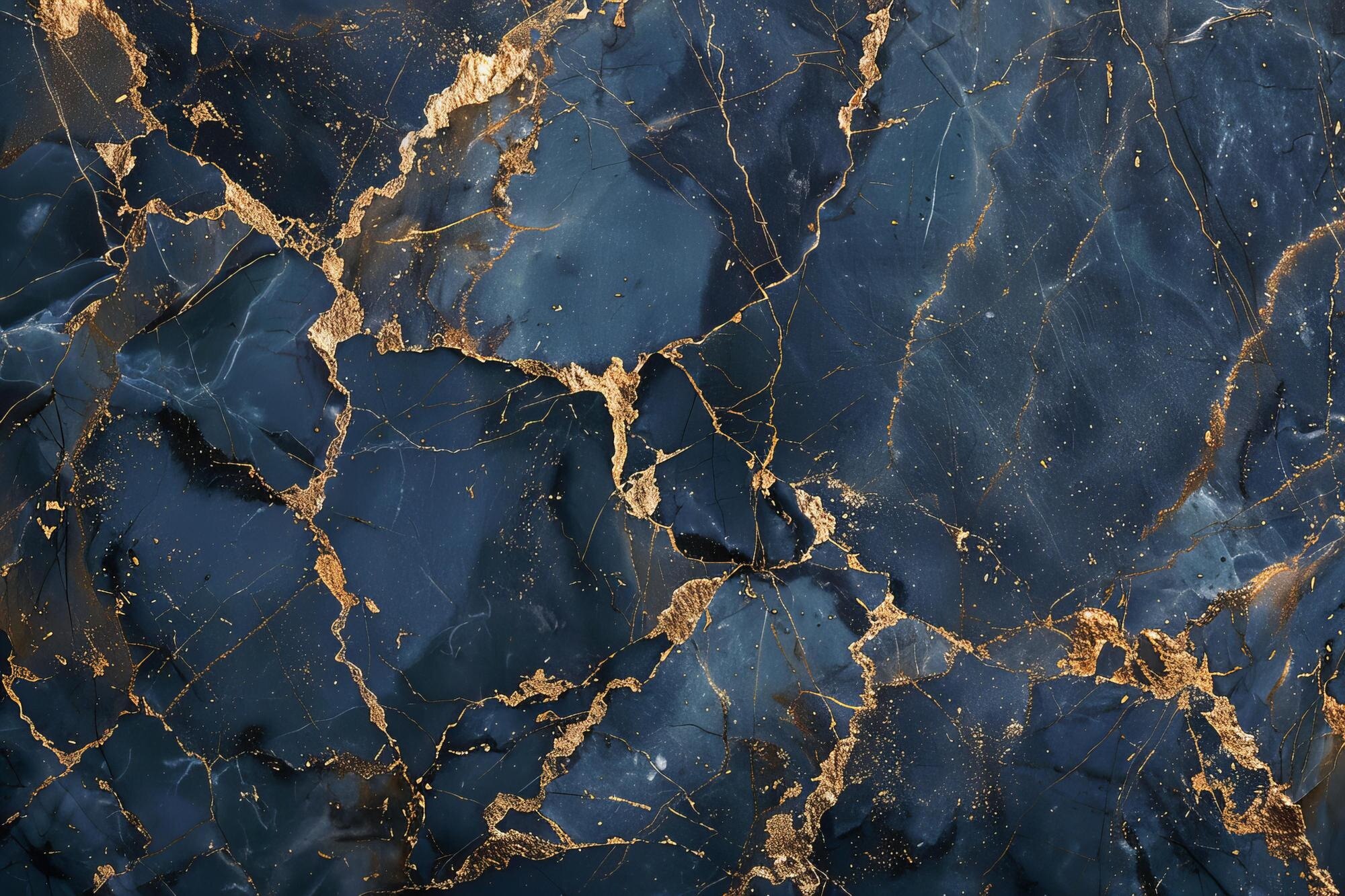
| Marble veining and movement | Vein direction, density, thickness, fissures, and dominant visual zones | Mark the preferred face and exclude a vein that overwhelms the room or lands across a critical opening |
| Bookmatched marble | Mirrored vein flow, slab sequence, and centre-joint alignment | Confirm slabs are consecutive and from the same block; do not assume the same trade name guarantees a match |
Lay the slabs in sequence and mark every cut-out, joint, edge, and exposed end. This reveals whether a sink, hob, doorway, or lift opening will interrupt the intended pattern and exposes unwanted resin repairs, open cavities, extreme colour changes, or vein reversals.
- Photograph the approved layout with slab numbers visible.
- Record the acceptable variation in writing.
- Obtain approval before fabrication, because cutting cannot restore a rejected vein or redistribute an unwanted feature.
Inspect slab condition and verify what the stone actually is
A polished face can hide a costly problem: an open fissure, repaired corner, or weak area that fails during cutting. Inspect marble slab quality under strong, angled light, then examine the reverse and edges before you approve fabrication.
1. Mark physical defects on every slab. Look for open fissures, cracks reaching an edge, loose grains, open cavities, chipped corners, warping, staining, and inconsistent thickness. A full-size dry layout lets you reject a bad section before it is distributed across a counter or feature wall.
2. Identify every treatment instead of treating it as automatic rejection. Resin-filled fissures, mesh backing, cement backing, edge repairs, and surface patching are common commercial treatments. Record their locations because they affect blade selection, polishing, adhesive choice, heat exposure, unsupported overhangs, wet-area suitability, and long-term appearance.
3. Verify the rock, not just the trade name. “Imported marble” can describe calcitic marble, dolomitic marble, limestone, or another carbonate rock. Request the quarry’s petrographic description and laboratory reports for the actual quarry or lot, including water absorption, bulk density, compressive strength, and flexural strength.
If a stone is sold as quartzite, obtain petrographic identification; calcite-rich material can etch like marble.
4. Request treatment disclosure in writing, slab photographs, lot details, and test dates. Ask Jaishree Stones to note repairs and backing on the approved slab layout, not only on an invoice. That record prevents an apparently minor repair from becoming a fabrication dispute.
Approve performance, installation, and care limits before cutting
Do not release the marble for cutting until test results, installation materials, and care restrictions are written into the approval. A low water-absorption result supports stain resistance, but it does not prove resistance to acid, abrasion, cracking, thermal movement, or installation failure.
1. Request ASTM C97/C97M results for water absorption and bulk specific gravity. Use the figures to compare stones for wet rooms, counters, and floors, then require separate evidence for the actual exposure. If the stone is marketed as quartzite, obtain petrographic identification or test the slab; calcite- or dolomite-rich material can react like marble.
2. For floors, review slip performance using ANSI A326.3 under the intended dry and wet conditions. Confirm the finish, tile size, grout joints, substrate flatness, movement joints, adhesive, and edge details with the installer. A polished finish that looks luxurious in a showroom can become a poor choice at a wet entrance.
3. Approve a dry layout or digital slab layout before fabrication. Mark fissures, resin repairs, open cavities, mesh backing, colour shifts, and vein direction, because cutting can spread an unwanted feature across an island or feature wall.
For pale or translucent marble, complete a site mock-up with compatible white setting material; gray mortar and uneven substrates can show through.
4. Sign off the care limits before ordering. Marble sealing reduces liquid staining but does not prevent acid etching, polish loss, or scratches from lemon juice, vinegar, wine, bathroom cleaners, or cement residue.
If the client will not accept prompt spill removal, pH-neutral cleaning, and periodic resealing, choose a more forgiving surface or change the application.
Frequently asked questions
What should you define before choosing imported marble?
Record the room function, traffic level, moisture exposure, likely stains and acids, slab dimensions, required thickness, surface finish, and installation method.
How do you match marble to an interior application?
Choose the stone, finish, thickness, and format according to traffic, moisture, slip risk, maintenance, edge details, and the intended installation.
Why should you compare a full marble slab instead of a sample?
A full slab reveals overall colour, veining, movement, fissures, repairs, bookmatch potential, and the usable material available after cutting.
What should you inspect and verify before buying imported marble?
Inspect the slab for cracks, resin fills, patches, stains, warping, and edge damage, then verify the stone name, origin documents, batch details, and stated composition.
What must you approve before cutting imported marble?
Approve the slab layout, cut plan, thickness, substrate, adhesive, joint treatment, sealing schedule, cleaning products, and the stone’s limits under heat, acids, moisture, and abrasion.