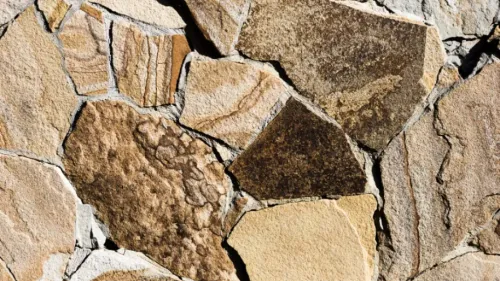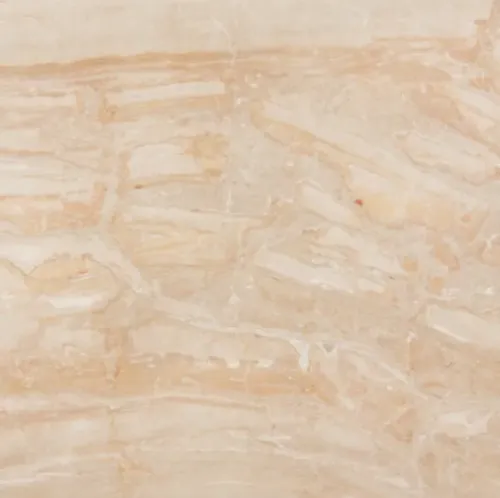
A slab sold as quartzite is not automatically the right choice for a kitchen, floor, or wall system. By checking its mineral identity, finish, defects, test data, fabrication requirements, and installation conditions, you can approve the actual slab rather than relying on a photograph or showroom sample.
Key takeaways
- Test the slab with acid before approving its quartzite classification.
- Compare hardness, porosity, and etching risk—not just appearance.
- Choose a finish based on kitchen spills, foot traffic, and moisture.
- Check slab documents, pattern continuity, thickness, and fabrication limits.
How to Tell Genuine Quartzite from Marble, Dolomite, Granite, and Engineered Quartz
Do not approve a slab because the showroom label says “quartzite.” Confirm its mineral content, reaction to acid, documentation, and surface pattern before you pay.
1. Ask for the quarry name, commercial stone name, and a written material declaration. A petrographic report or laboratory identification using thin-section microscopy gives stronger evidence than a salesperson’s label. True quartzite is a natural metamorphic rock formed from quartz-rich sandstone.
2. Test an unpolished offcut or hidden edge with a drop of lemon juice or dilute hydrochloric acid. Bubbling or dull etching points to carbonate minerals found in marble or dolomite. Wipe it immediately; polished surfaces, resin fill, coatings, and weak acid can hide the reaction, so this is a screen, not proof.
3. Compare the slab’s appearance and behavior with these materials:
| Material | Useful clue | Main limitation |
|---|---|---|
| Marble | Softer carbonate stone; acid can etch it visibly | Some marble is dense and reacts slowly |
| Dolomite | Often harder than marble but still carbonate-bearing | It can be sold as quartzite and still etch |
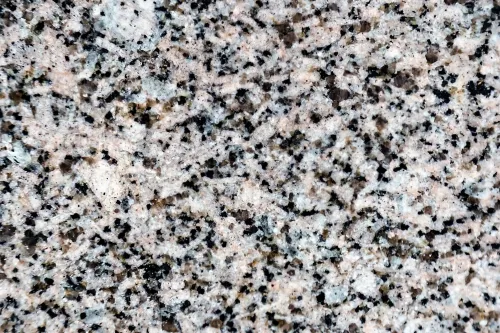
| Granite | Quartz and feldspar with speckled or coarse crystals | A granite comparison by appearance cannot confirm identity |
| Engineered quartz | Repeating aggregate pattern and resin-based uniformity | It is manufactured, not quarried natural stone |
4. Request the supplier’s care guidance and inspect an exposed edge for natural grains, fissures, and mineral variation. Do not rely on a scratch test that could damage the sample. If the slab will face acids, obtain laboratory confirmation, because even genuine quartzite can contain carbonate inclusions or resin-filled fissures.
Why Quartzite’s Mineral Structure Changes Hardness, Porosity, and Etching Risk
Quartzite formation begins with quartz-rich sandstone buried under intense heat and pressure. Its quartz grains recrystallize and interlock, creating a dense metamorphic rock with strong resistance to everyday scratching. That structure explains quartzite hardness, but it does not make every marketed slab equally durable.
Porosity and absorption vary with the stone’s original texture, recrystallization, finish, and open grain. Liquid can enter through natural fissures, unfilled pits, or exposed cut-outs, allowing oil and colored drinks to cause staining. A penetrating sealer slows absorption and makes cleaning easier; it does not waterproof the slab or close a structural fissure.
Acid damage depends on minerals besides quartz. Carbonate minerals can react with lemon juice or dilute hydrochloric acid, while iron-bearing inclusions can contribute to discoloration. Test an offcut because polishing, resin treatment, or a weak acid can conceal the reaction; acid can permanently etch carbonate-bearing material.
Avoid hydrofluoric acid, abrasive powders, and cleaners not approved for natural stone.
Inspect the actual slab for open grain, hairline fissures, and resin-filled areas, then record acceptable patching, color movement, and seam locations. Genuine quartzite is natural stone, not engineered quartz: its mineral variation is part of the material, not a manufacturing defect.
How to Choose a Quartzite Countertop That Survives Daily Kitchen Use
Choose the actual slab and fabrication plan together; a durable stone can still crack around a sink or stain through an open fissure. Inspect the full slab for hairline fissures, open grain, iron staining, natural pits, and resin-filled patches, then record acceptable fills, color movement, and repairs in writing.
| Finish | Daily kitchen advantage | Maintenance trade-off |
|---|---|---|
| Polished | Shows color and veining strongly; wipes clean easily | Reveals fingerprints, smears, and etch marks |
| Honed | Reduces reflections and disguises minor scratches | Shows oil marks and needs more frequent cleaning |
| Leathered or textured | Adds grip and masks some marks | Relief can hold grease and fine debris |
Plan slab layout and seams before cutting. Ask for a dry-lay or digital layout, especially around corners, sinks, and long runs; strongly veined quartzite may need bookmatching or an extra slab to align the pattern. A low-yield layout can cost less than living with a badly placed seam.
Specify rounded or radiused inside corners, adequate support beneath narrow strips beside sink cut-outs and hob openings, and reinforcement where the fabricator identifies stress. Review countertop edge profiles rather than choosing a sharp corner: eased, pencil-round, or larger-radius edges reduce impact damage and chipping. Confirm transport support and installation support for overhangs.
Ask for the sealer type, application date, and care instructions. Sealing reduces absorption but does not make quartzite waterproof or stop etching; wipe oils, wine, turmeric, and acids promptly. Hardness also increases cutting-tool wear, so compare the complete fabrication, reinforcement, delivery, and installation quote—not only slab price.
How Finish, Traffic, and Moisture Determine Whether Quartzite Works on a Floor
A showroom shine is not a flooring approval. For quartzite flooring, inspect the actual slab and its underside, not only a sample: hairline fissures, open grain, resin-filled patches, and uneven thickness can affect cutting, bedding, and service under load.
Request the supplier’s water-absorption and abrasion-test results, plus the proposed thickness and installation method. Match them to traffic: a private bedroom, a dusty entrance, and a retail aisle do not impose the same wear. In New Delhi, grit accelerates abrasion, while monsoon water makes drainage and wet slip resistance decisive.
The polished vs honed decision changes risk:
| Option | Wet-floor behaviour | Wear and cleaning |
|---|---|---|
| Polished | Most reflective; slipperier when wet | Shows traffic paths, smears, and scratches |
| Honed | Lower glare and more forgiving underfoot | Hides fine scratches; oil and dirt need prompt removal |
| Leathered finish | Added texture improves grip | Relief can retain grit and cleaning residue |
| Brushed and flamed finish | Strong texture; assess comfort and drainage | Suits demanding areas when texture is acceptable |
Before approval:
- Ask for a wet dynamic coefficient-of-friction test suited to the intended floor, not a generic hardness claim.
- Check the substrate for flatness, cracks, moisture, and movement; a strong slab can fail over a weak or damp base.
- Reject slabs with unstable fissures or excessive filler near edges, stair nosings, or load points.
- For commercial floors, specify replacement stock, grout width, entrance mats, and a cleaning plan before installation.
How to Approve Quartzite Slabs for Wall Cladding and Fabrication
Approve the actual slabs, not a showroom sample, before quartzite wall cladding or fabrication. Natural variation, hairline fissures, open grain, mica, feldspar, iron staining, resin fills, and patches can be acceptable commercial features, but only if you record them before cutting.
1. Record slab numbers, dimensions, thickness, finish, batch or lot reference, and clear photographs taken in consistent light. Mark visible fissures, filled areas, color movement, chipped edges, and proposed face orientation.
2. Complete slab inspection and approval in writing. State which fills, patches, veining, shade variation, and minor surface openings are accepted, and which conditions require rejection.
3. Dry-lay or digitally plan the slabs before cutting. Approve vein direction and seam locations around corners, sinks, niches, and long runs; strongly veined stones may require bookmatching, extra slabs, or lower material yield.
4. Confirm the fabricator’s cutting method, diamond tooling, water cooling, edge support, reinforcement, and cut-out layout. Quartzite’s hardness increases tool wear and makes poor support more likely to cause cracks or chipped edges.
5. For delivery, photograph packaging and every slab edge before unloading. Reject or document transit cracks, corner damage, bowing, and moisture intrusion immediately.
6. Before installation, approve substrate preparation, flatness, load capacity, movement joints, drainage, and corrosion-resistant anchors. Large panels need engineered mechanical fixing; adhesive alone is not a safe assumption for tall interiors or exteriors exposed to wind, seismic movement, or Delhi’s thermal and monsoon changes.
Frequently asked questions
How can you tell genuine quartzite from marble, dolomite, granite, and engineered quartz?
Compare mineral content, acid reaction, documentation, and pattern. Acid reactivity can expose marble or calcite-rich dolomite, while engineered quartz is a manufactured composite rather than a quarried slab.
Why does quartzite’s mineral structure affect hardness, porosity, and etching?
Quartzite formed from quartz-rich sandstone, but its performance varies with remaining minerals, cracks, and calcite. Those factors influence scratch resistance, liquid absorption, and reaction to acidic foods or cleaners.
How do you choose quartzite for a kitchen countertop?
Request the slab’s identification and test results, inspect for fissures and repairs, check absorption, and confirm that the selected finish suits spills, heat, cutting, and cleaning.
Is quartzite suitable for flooring?
Quartzite works on floors when its finish, thickness, slip resistance, and absorption suit the location. Match the surface to traffic levels and moisture exposure, especially in entrances, kitchens, and bathrooms.
What should you check before approving quartzite for wall cladding?
Review slab thickness, weight, anchors, substrate condition, movement joints, vein layout, edge details, and fabrication limits before cutting or fixing the stone.