Choosing Portuguese marble is less about approving a beautiful photograph and more about matching a particular quarry lot, finish and technical performance to the surface you are building. By the end, you will be able to compare Portuguese varieties with lookalike stones, reject unsuitable applications, inspect slabs and request the documentation needed for a durable specification.
Key takeaways
- Choose by colour movement before comparing commercial marble varieties.
- Use honed finishes where polished marble would create glare or slip risk.
- Inspect slabs for fissures, resin repairs, pitting and colour variation.
- Approve matching slabs and fabrication details before placing the stone order.
Which Portuguese Marble Variety Fits Your Design Intent?
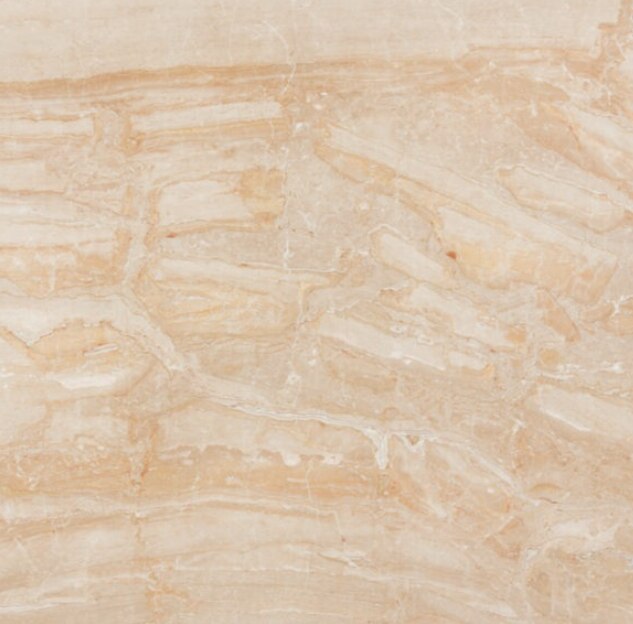
Choose the family by colour movement first, then verify the slab’s physical character. Portuguese marble varieties come from overlapping Alentejo quarry zones, so Estremoz marble, Borba marble and Vila Viçosa marble are commercial families, not perfectly uniform colours.
| Family | Typical appearance | Physical character | Design signal |
|---|---|---|---|
| Estremoz marble | White, cream, pink or grey ground with fine to pronounced veins | Calcite-rich, polishable, acid-sensitive; porosity and soundness vary by block | Refined floors, walls, stairs and furniture |
| Borba marble | White, cream and pink tones with cloudy or linear veining | Similar carbonate behaviour, with variation in veining, pores and resin-filled flaws | Soft, warm schemes and continuous surfaces |
| Vila Viçosa marble | Light grounds ranging from white to cream, often with delicate or stronger veins | Can take a honed or polished finish; inspect thickness, fissures and absorption on the actual lot | Calm architectural backgrounds and feature panels |
Do not approve a colour from a photograph. Compare physical slabs or a control sample under the project’s lighting, because viewing direction, finish, resin fills and block variation change the apparent pattern.
All three families can etch when lemon juice, vinegar, wine or acidic cleaners contact the surface. Compare them with Crema Marfil, Botticino and Perlato Sicilia, which are commonly beige carbonate stones; quartzite is a harder silicate stone, while porcelain is manufactured and more uniform.
Ask for the delivered lot, then inspect veining, fossil traces, pores, cracks and replacement availability before choosing.
Where Portuguese Marble Works—and Where It Creates Risk
Use Portuguese marble for marble flooring, marble staircases, bathroom walls, vanity tops, fireplace surrounds, feature walls and commercial reception areas where refined colour and veining matter more than impact resistance. It suits interiors, but selection must follow exposure and maintenance demands, not appearance alone.
| Application | Why it suits | When another material is safer |
|---|---|---|
| Residential floors and stairs | Polished or honed surfaces create a formal finish | Choose granite, quartzite or porcelain for abrasive grit, pets, heavy use or demanding entryways |
| Bathrooms and vanity tops | Slabs provide continuous bathroom walls and elegant vanity tops | Choose porcelain or a non-porous surface around cosmetics, hair dye, acids and standing water |
| Kitchens and fireplaces | Marble handles decorative surrounds and controlled-use worktops | Choose quartzite or porcelain where lemon, vinegar, oils and hot cookware are routine |
| Reception areas | Large surfaces give lobbies and feature walls visual impact | Verify abrasion, water absorption, flexural strength and slip performance before specifying heavy traffic |
| Exterior cladding | Selected stone can create a distinctive façade | Use another material when freeze-thaw, driving rain, strong sun or thermal movement exceeds the stone and anchorage design |
A polished surface is not stain-proof. Porosity, resin or cement fills, exposed edges, the contaminant and dwell time affect the result; sealer reduces absorption but cannot prevent etching from acids or damage from harsh cleaners.
- Reject the application if frequent spills, abrasive traffic, trapped moisture or weather exposure cannot be controlled.
- For exposed work, demand data on water absorption, freeze-thaw resistance where relevant, fixings, substrate staining and thermal movement before approval.
How Finish and Stone Type Change Everyday Performance
Finish changes marble’s daily behaviour as much as its colour does. Polished marble gives the clearest veining and wipes clean easily, but grit can create dull traffic paths; it also offers less forgiving wet slip performance. Honed marble reduces glare and disguises scratches, although its open-looking surface can hold soil and absorb oils more visibly.
Brushed marble has a textured, aged surface that masks wear but demands more deliberate cleaning. Leathered marble adds tactile texture and hides fingerprints well, yet grease can settle in its low points.
None of these finishes makes marble stain-proof: blot spills, remove abrasive dust promptly and use a neutral stone cleaner, not vinegar, bleach or strong bathroom acid.
| Material | Everyday maintenance and wear | Slip and application considerations |
|---|---|---|
| Marble | Etches from acids and can scratch or dull along grit paths; sealing reduces absorption, not damage | Request slip data and abrasion performance for floors, especially commercial entrances |
| Granite | Usually more resistant to scratching, etching and heavy traffic than marble | Strong flooring and worktop candidate; finish still controls wet slip |
| Quartzite | Dense, hard stone with strong wear resistance; verify the actual slab’s identity | Suitable for demanding surfaces when tested data supports the use |
| Engineered quartz | Consistent and low-maintenance indoors; resin can discolour under heat or ultraviolet exposure | Avoid exterior or high-heat use unless the product permits it |
| Porcelain or ceramic tile | Low absorption and easy cleaning; grout joints require upkeep and surfaces can chip | Strong wet-area option; choose a rated slip-resistant floor product |
For high-traffic flooring, compare declared water absorption, flexural strength, abrasion resistance and slip performance against the intended use, rather than choosing by finish alone.
How to Inspect a Portuguese Marble Slab Before Approval
Approve the delivered lot, not a catalogue photograph. During a marble slab inspection, view each slab under the intended lighting, from several directions and after the proposed finish sample is made. Check colour, veining, fossils, resin or cement fills, open veins, cracks, edge damage, flatness and thickness.
Check these before approval:
- Measure thickness at several points and record length, width, squareness and bow; compare them with the fabrication drawings and the tolerance stated in the supplier’s datasheet.
- Request the quarry or laboratory report showing water absorption to EN 13755, flexural strength to EN 12372 and abrasion resistance to EN 14157. For entrance or restaurant flooring, require results for the selected finish and intended traffic.
- Request slip-resistance results using the test method specified for the installation, such as EN 14231 for natural-stone surfaces.
- Compare the lot with a signed physical control sample, then inspect a finished test piece for colour shift, etching, staining and cleaning response. Sealer reduces absorption; it does not make marble impervious.
- Confirm the slab’s block or batch reference, replacement availability, resin-fill disclosure and fabrication plan. Large panels need engineered substrate, lifting and mechanical or adhesive support.
| Application | Evidence to approve | Red flag |
|---|---|---|
| Interior wall or vanity | Stable lot, sound edges, absorption report | Unfilled cracks or persistent staining |
| Commercial floor | Abrasion, slip and flexural data for the finish | Polished surface unsuitable for traffic |
| Exterior façade | Absorption, thermal movement, anchorage and freeze-thaw data where relevant | Interior-only test data or no fixing design |
How to Specify, Fabricate and Source Marble for a Real Project
Approve the actual delivered lot, not a catalogue photograph or colour name. Portuguese marble varies between quarries, benches and extraction blocks, so matching, fabrication and replacement planning must begin with physical slabs.
1. Reserve slabs from one compatible lot and record the quarry, block or batch reference. Approve a control sample under the project’s lighting, viewing direction and selected finish. Ask a Portuguese marble supplier in New Delhi whether matching replacement slabs remain available; Jaishree Stones can help document this inspection before cutting begins.
2. Mark the elevation and sequence of every slab. Bookmatched marble requires sequential slabs from a compatible block, not simply two slabs with similar colour. Confirm the centre seam, vein direction, resin fills and acceptable interruptions in writing; the layout increases cutting and waste.
3. Issue shop drawings for marble fabrication showing finished dimensions, joints, edge profiles, tap holes, sink cut-outs and allowable repairs. Check slab flatness, thickness, cracks, resin-filled areas and edge damage before cutting. Make a finished test piece for honed or polished surfaces.
4. Treat large-format marble panels as an engineered assembly. Confirm panel weight, substrate flatness, movement joints, lifting access and the specified mechanical anchors or adhesive system with the installer or engineer. “Strong stone” does not prove a safe commercial wall fixing.
5. Receive and photograph each slab before installation, then quarantine damaged or mismatched pieces. After fixing, remove abrasive dust promptly, blot spills, and use a neutral stone cleaner rather than vinegar, bleach or strong alkaline products. Reseal only when the stone and traffic pattern justify it, not by a universal calendar.
Frequently asked questions
Which Portuguese marble variety fits a specific design intent?
Choose Estremoz, Borba or Vila Viçosa by the slab’s colour movement, veining and background rather than the commercial name alone.
Where does Portuguese marble create design or performance risk?
Assess slip exposure, staining, scratching, glare and outdoor weathering before using it on floors, wet areas, counters or exteriors.
How do finish and stone type affect everyday performance?
Polished, honed and other finishes change glare, traction, stain visibility and maintenance, while each slab requires inspection for its own physical character.
What should you inspect before approving a Portuguese marble slab?
Check the slab for fissures, resin repairs, pits, edge defects, colour variation and veining that could affect the planned cuts.
What should a real project specification and purchase process include?
Document the marble variety, slab selection, finish, thickness, dimensions, matching requirements, fabrication details, installation method and approval process.