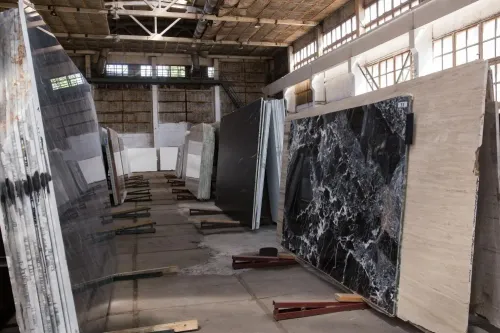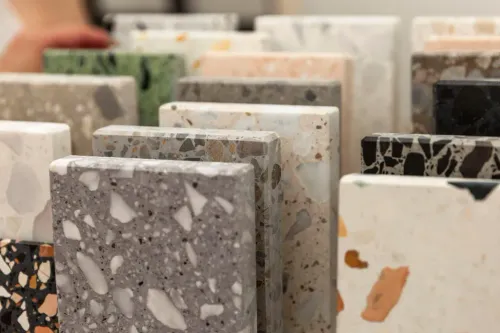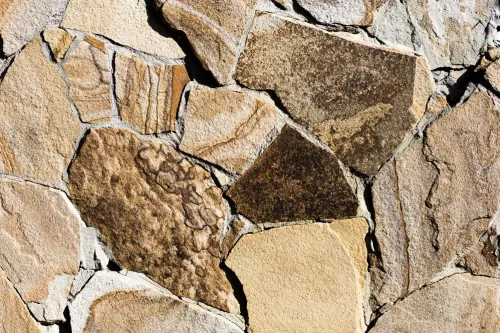


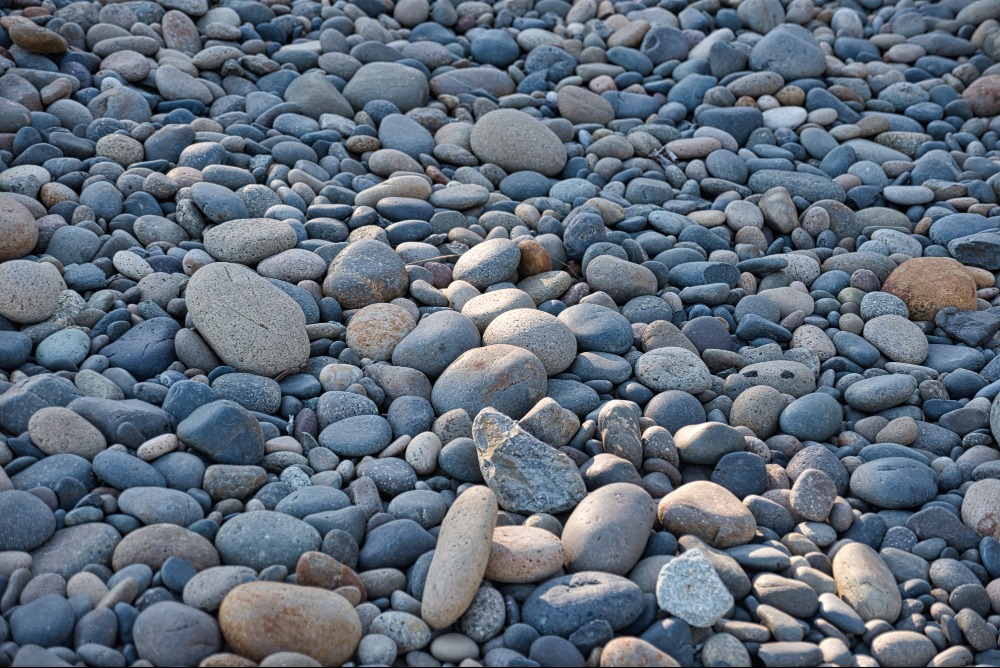
Modern architecture increasingly combines engineered materials with surfaces formed naturally over millions of years. Natural surface stones offer something manufactured finishes cannot reproduce exactly: genuine variations in colour, mineral composition, texture, veining, and pattern.
For projects in New Delhi, natural stone can be used across residential, commercial, hospitality, landscaping, and architectural applications.
What Counts as Natural Surface Stone?
Natural stone is quarried from the earth and processed into slabs, tiles, blocks, panels, or other usable formats. Depending on the geological formation and intended application, commonly used materials include granite, marble, limestone, sandstone, quartzite, and onyx.
Each stone family behaves differently.
Granite is known for its strength and is widely used for countertops, flooring, stairs, and architectural surfaces.
Marble is particularly valued for its veining and decorative appearance.
Quartzite combines natural visual variation with a generally hard stone structure.
Sandstone and limestone offer earthy textures and are widely associated with architectural and landscape applications.
Onyx is often selected for decorative features where its distinctive appearance becomes the focal point.
Why Designers Continue to Use Natural Stone
One major advantage is individuality. Since stone develops naturally, no two pieces are completely identical.
This makes natural material particularly appealing for projects where designers want surfaces with depth and character rather than perfectly repeated patterns.
Natural stone can be used for:
- Interior flooring
- Exterior paving
- Wall cladding
- Countertops
- Staircases
- Building facades
- Bathroom surfaces
- Landscape elements
- Decorative walls
- Custom architectural features
Matching the Stone to the Application
Appearance should never be the only selection criterion.
A stone intended for an exterior Delhi property may face heat, dust, rainfall, and seasonal temperature changes. An interior countertop has entirely different requirements. Likewise, flooring in a busy commercial building should be evaluated differently from a decorative residential wall.
Buyers should therefore compare hardness, porosity, finish, thickness, maintenance expectations, and installation requirements.
Natural Variation Is Not a Defect
Veins, mineral markings, fossils, tonal shifts, and pattern differences can occur naturally. These features are often precisely what architects value about genuine stone.
For larger projects, reviewing several slabs or tiles together can help establish the expected range of variation.
A stone specialist such as Jaishree Stones can assist customers in New Delhi with understanding material choices and suitable applications across different natural stone categories.
Natural surface stone works best when selected with both design and performance in mind. Understanding how each material behaves allows architects, homeowners, contractors, and designers to use its natural qualities effectively rather than choosing solely by appearance.